By Alyssa Pascoe, LLMSW
Ever left a therapy session (or finished reading a self-help post) feeling like you need a translator? You’re not alone! The mental health world loves its jargon, and sometimes it feels like therapists are speaking an entirely different language.
Today, we’re demystifying therapy speak with a dash of humor and a lot of real talk
🧠 Triggered
This is probably one of my favorite buzzwords and I will admit, I’m guilty of using this a little too frequently…
What people think it means: Slightly annoyed or uncomfortable
What it actually means: Having an intense emotional or physical reaction to something that reminds your nervous system of a past trauma or threat. In therapy, you’ll hear your therapist mention this when they are trying to understand the cause of some of your emotions. If you understand and recognize your triggers, you can understand your emotions and your behaviors.
In real life: It’s not being mad about traffic—it’s when the sound of fireworks sends a veteran into a panic state
💫 Gaslighting
What people think it means: Any lying or disagreement
What it actually means: A deliberate pattern of manipulation that makes someone question their own reality and sanity
In real life: Not “they disagreed with me,” but “they convinced me the conversation we had yesterday never happened”
🎭 Boundaries
What people think it means: Walls to keep people out or rules to control others
What it actually means: Limits you set for yourself about what you will and won’t accept
In real life: Not “You can’t talk to your ex,” but “I won’t discuss my personal life with coworkers”
🔄 Trauma Response
What people think it means: Being dramatic or overreacting
What it actually means: Your nervous system’s protective reaction based on past experiences
In real life: Fawning (people-pleasing to avoid conflict) is just as much a trauma response as fighting
The “Your Therapist Definitely Says This” Collection
🪑 “Sit with Your Feelings”
Translation: Don’t immediately distract yourself—notice what you’re feeling without trying to fix it
What this looks like: Instead of immediately scrolling TikTok when you feel sad, pause and say “Okay, sadness is here. What does it feel like in my body?”
Why therapists love it: Because feelings are like toddlers—ignore them and they’ll just get louder
🎯 “Notice That”
Translation: Pay attention to what just happened without judging it What this looks like: “Notice that you laughed when talking about something painful” Why therapists love it: It’s like highlighting important text in your life’s story
🌊 “What Comes Up for You?”
Translation: What thoughts, feelings, or body sensations are you experiencing right now? What this looks like: Your therapist isn’t fishing—they genuinely want to know what’s happening in your inner world Why therapists love it: It’s open-ended magic that lets you lead the exploration
The Diagnosis Decoder Ring
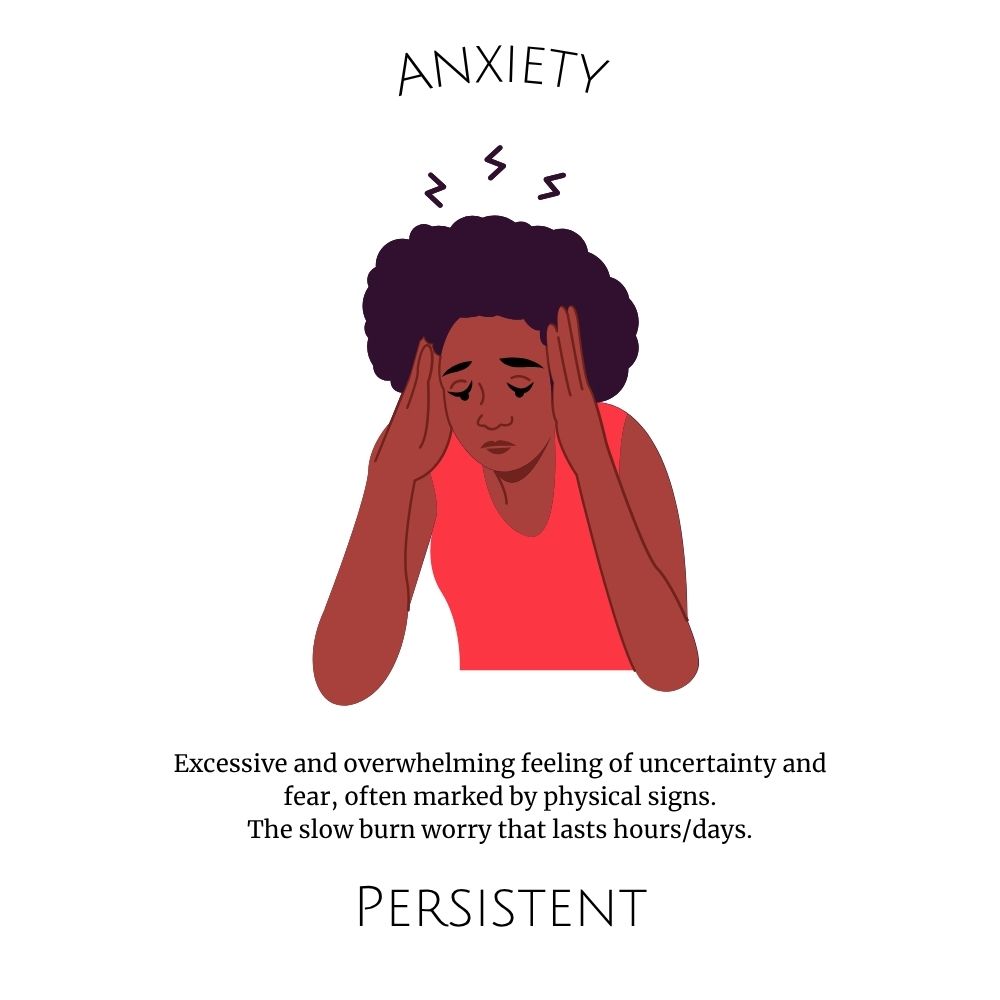
🔴 Anxiety vs. Panic Attack

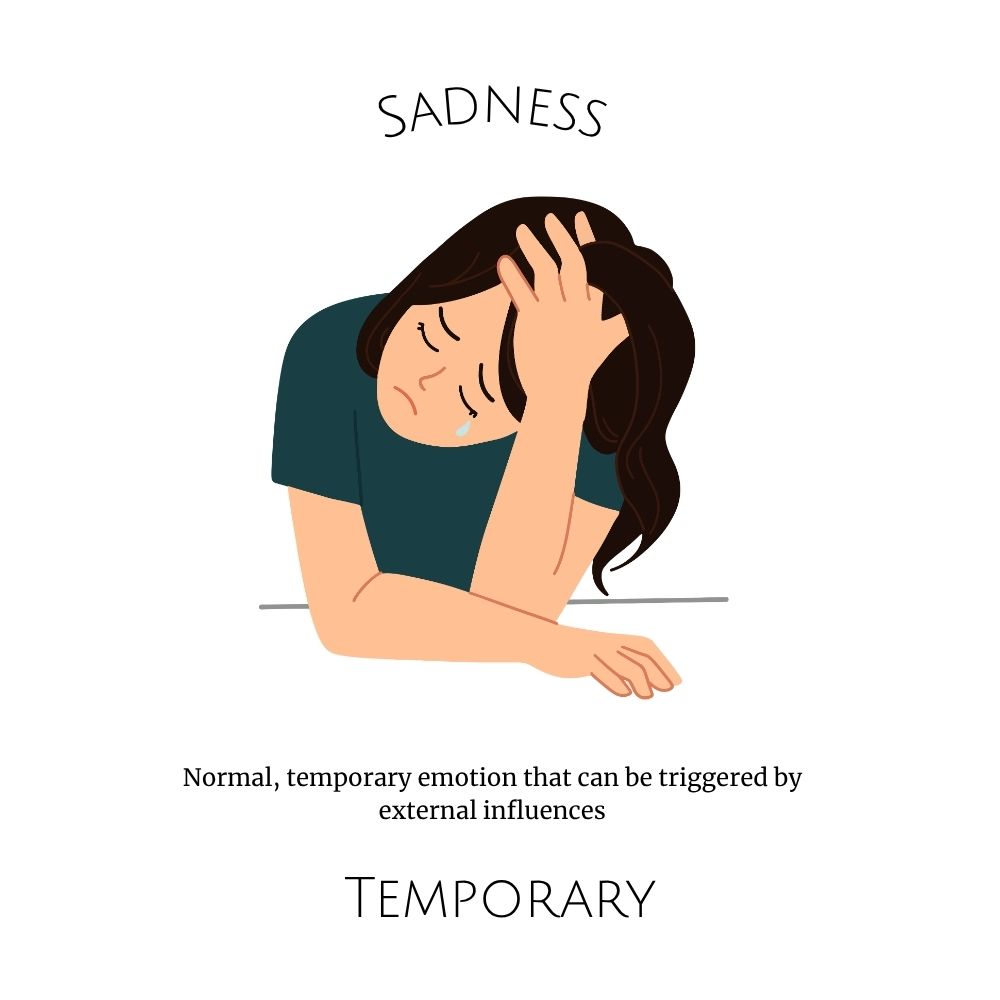
🔵 Depression vs. Sadness

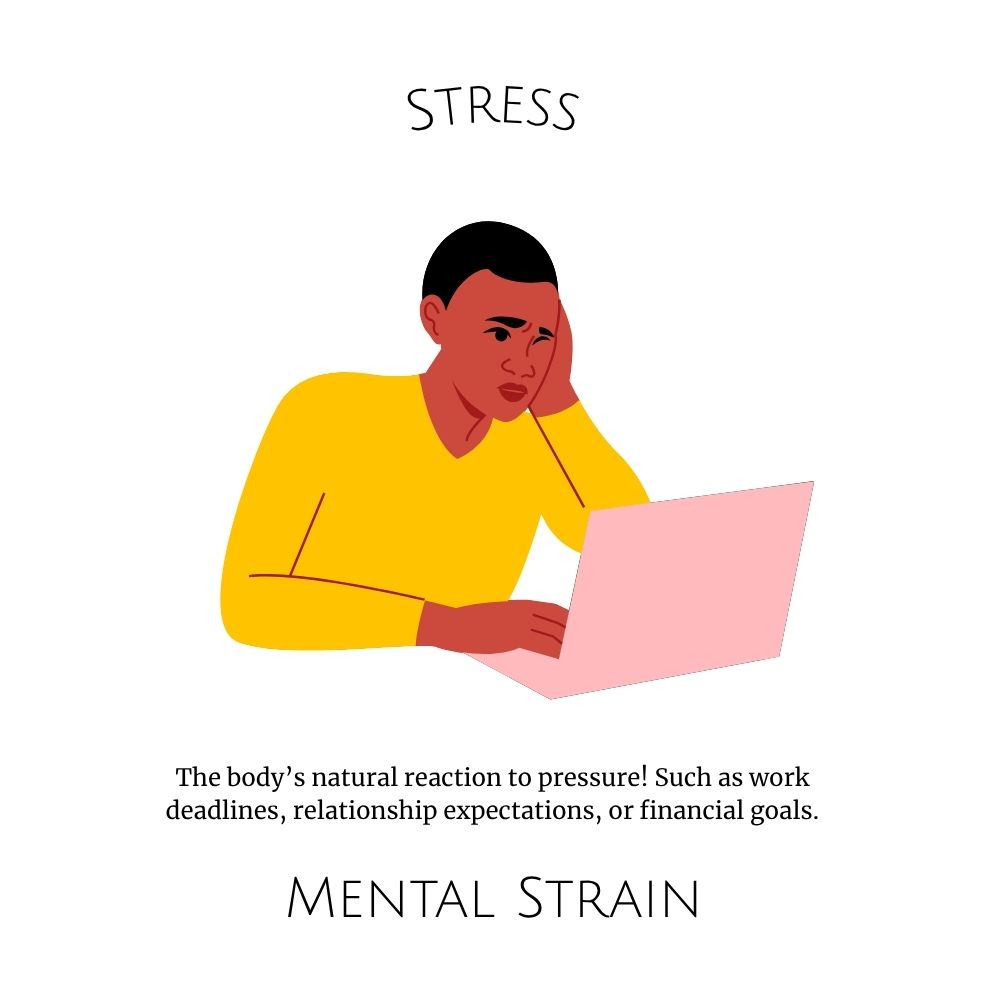
🟡 Stress vs Burnout

The Therapy Modality Menu (Decoded!)
🎯 CBT (Cognitive Behavioral Therapy)
The pitch: Your thoughts, feelings, and behaviors are connected
In practice: “Let’s fact-check that thought about everyone hating you”
Best for: Anxiety, depression, wanting practical homework
👁️ EMDR (Eye Movement Desensitization and Reprocessing)
The pitch: Bilateral stimulation helps process trauma
In practice: Following dots while thinking about difficult memories (yes, it sounds weird but it works)
Best for: PTSD, single-incident trauma, feeling “stuck”
🧘 DBT (Dialectical Behavior Therapy)
The pitch: Two things can be true at once, and here are skills for that
In practice: “You’re doing the best you can AND you need to do better”
Best for: Big emotions, self-harm urges, relationship struggles
🎭 IFS (Internal Family Systems)
The pitch: We all have different “parts” inside us
In practice: “What would your anxious part like to tell us?”
Best for: Inner conflict, trauma, self-compassion
The “Instagram Therapy” Glossary
✨ “Do the Work”
What it means: Actively engage in understanding and changing your patterns
What it’s NOT: Just reading self-help posts (sorry!)
🦋 “Healing Journey”
What it means: The ongoing process of addressing wounds and growing
What it’s NOT: A destination with a perfect arrival time
💝 “Self-Care”
What it means: Actions that genuinely restore and sustain you What it’s NOT: Only bubble baths and face masks (though those are nice too)
Your Therapy Session Translator
“How does that land with you?” = What’s your reaction to what I just said?
“Let’s unpack that” = Let’s explore this thing you just said that seems important
“I’m holding space for you” = I’m here, present, and not trying to fix you
“What would it be like if…” = Let’s imagine a different possibility
“Let’s explore that” = You just said something interesting—tell me more
The Bottom Line
Therapy speak exists because we need precise language for complex human experiences. But it shouldn’t be a barrier to getting help! If your therapist uses a term you don’t understand, it’s totally okay to say:
- “What does that mean?”
- “Can you explain that differently?”
- “I’m not familiar with that term”
A good therapist will happily translate. We forgot we’re speaking “therapy” half the time anyway!
Your Homework *optional
Pick one term from this post that resonated with you. Notice when you hear it this week. How is it being used? Correctly? As a buzzword?
Remember: Understanding the language is just the first step. The real magic happens when we use these concepts to understand ourselves better.
Now you’re fluent in therapy speak! Welcome to the club—we wear pink on Wednesdays and process our feelings about it.
Found this helpful? Share it with someone who thinks “triggered” means their coffee order was wrong!
Ready to explore these concepts in your own therapy journey? Reach out to schedule —I promise to define any terms you don’t know!
 PMT
PMT 
Leave a comment