As therapists, our learning never stops. The right book can transform our practice, offering fresh perspectives, evidence-based techniques, and renewed inspiration for the challenging work we do. Whether you’re a newly licensed clinician or a seasoned practitioner, this carefully curated list represents essential reading that can enhance your therapeutic toolkit and deepen your clinical understanding.
Alyssa’s Insights: I often refer to therapeutic tools metaphorically as my ‘Batman utility belt’. Batman had every tool to get him out of any situation he found himself in. As therapists, the more tools we collect, the more prepared we are for client sessions that may shake us and make us feel like we aren’t equipped with the right tools for them. Start collecting your tools and sprinkle in techniques from a wide variety of interventions. Someone coming in for anxiety may benefit from a little EFT, who knows! Therapy is unique to each client, there is not a one-size-fits-all when it comes to therapy. Happy Reading!
Therapeutic Wisdom
The Gift of Therapy: An Open Letter to a New Generation of Therapists and Their Patients
by Irvin Yalom
If you read only one book from this list, make it this one. Yalom’s decades of experience distilled into accessible wisdom makes this essential reading for therapists at any stage of their career.

Practical Applications
- Scripts for handling difficult moments (extended silence, client tears, anger in session)
- Framework for making boundary decisions that feel right
- Strategies for managing your own reactions to challenging clients
- Guidelines for when and how to use self-disclosure effectively
- Techniques for deepening therapeutic relationships without crossing lines
Trauma-Informed Practice: Essential Knowledge
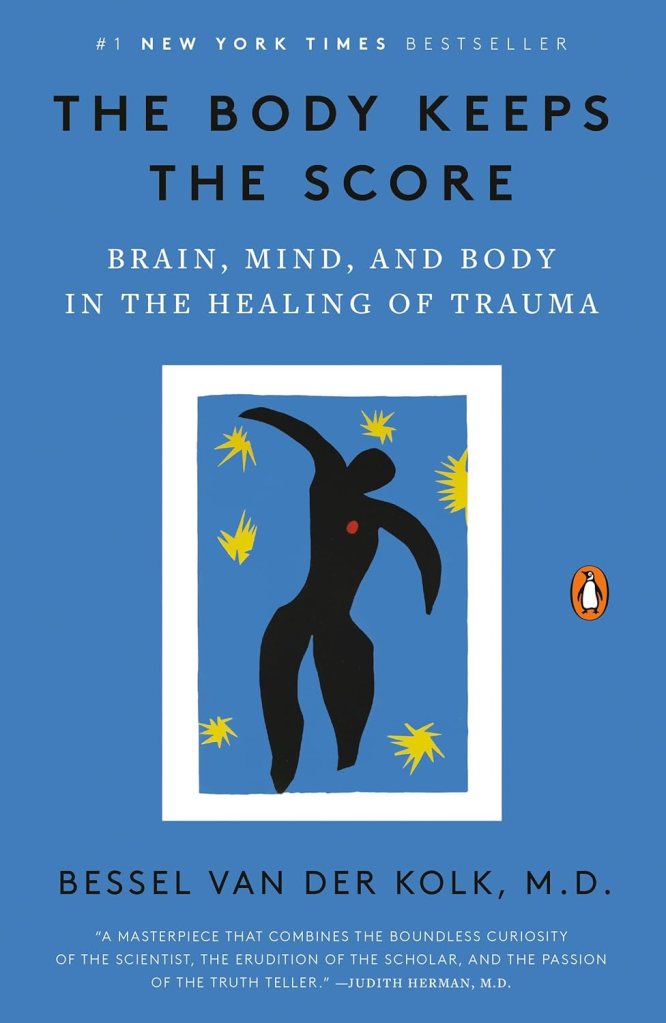
The Body Keeps the Score: Brain, Mind, and Body in the Healing of Trauma
by Bessel van der Kolk M.D.
Revolutionary in its integration of neuroscience, attachment theory, and body-based healing, this book fundamentally changed how we understand and treat trauma. Van der Kolk makes complex neuroscience accessible while maintaining clinical rigor.
Practical Applications:
- Body-based interventions for when talk therapy hits a wall
- Simple explanations of trauma’s impact on the brain (perfect for psychoeducation)
- Assessment questions to identify hidden trauma presentations
- Alternative approaches for “stuck” clients who aren’t progressing
- Grounding techniques that actually work for dissociation
101 Trauma-Informed Interventions: Activities, Exercises and Assignments to Move the Client and Therapy Forward
by Linda Curran
This practical resource fills the gap between understanding trauma theory and implementing trauma-informed care. Each intervention is clearly explained with step-by-step instructions.

Practical Applications:
- 101 ready-to-use interventions organized by treatment goals
- Window of tolerance exercises that clients actually understand
- Creative techniques for resistant or “I’ve tried everything” clients
- Homework assignments that don’t feel like homework
- Quick grounding techniques you can teach in 2 minutes
Evidence-Based Modalities: Expanding Your Expertise
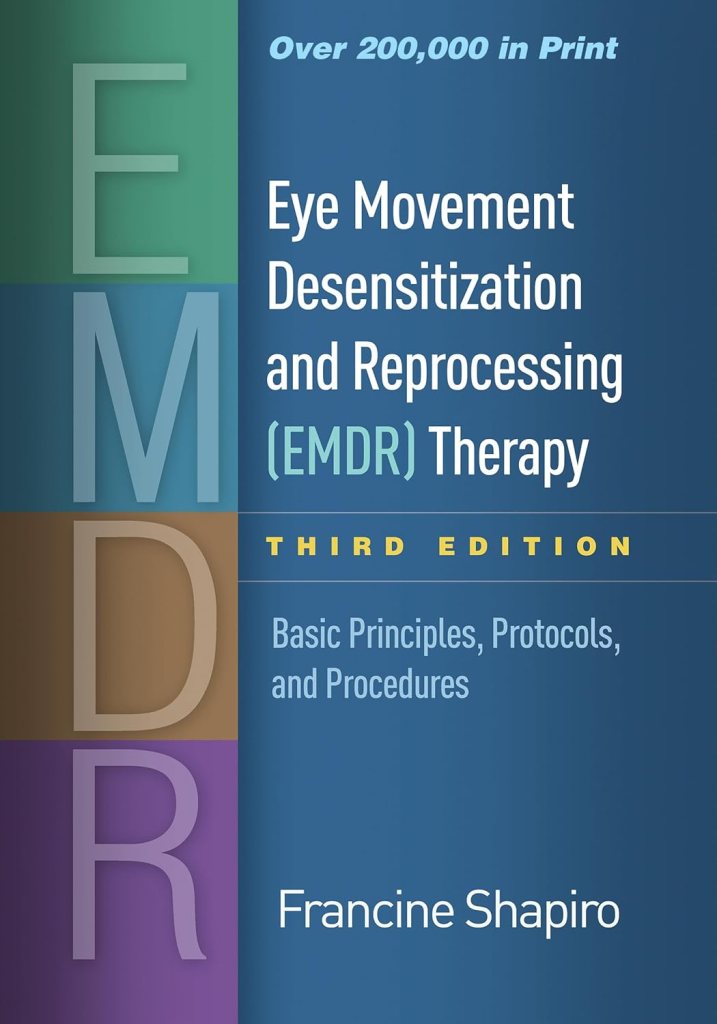
Eye Movement Desensitization and Reprocessing (EMDR) Therapy: Basic Principles, Protocols, and Procedures
by Francine Shapiro
The definitive guide from EMDR’s founder, this comprehensive text is essential for anyone interested in or practicing EMDR. While dense, it’s the gold standard for understanding this powerful modality.
Practical Applications:
- Complete EMDR protocols with exact scripts for each phase
- Troubleshooting guide for when processing gets stuck
- Modifications for phobias, grief, and recent trauma
- Clear explanation of why bilateral stimulation works
- Specific techniques for resource installation and safe place exercises
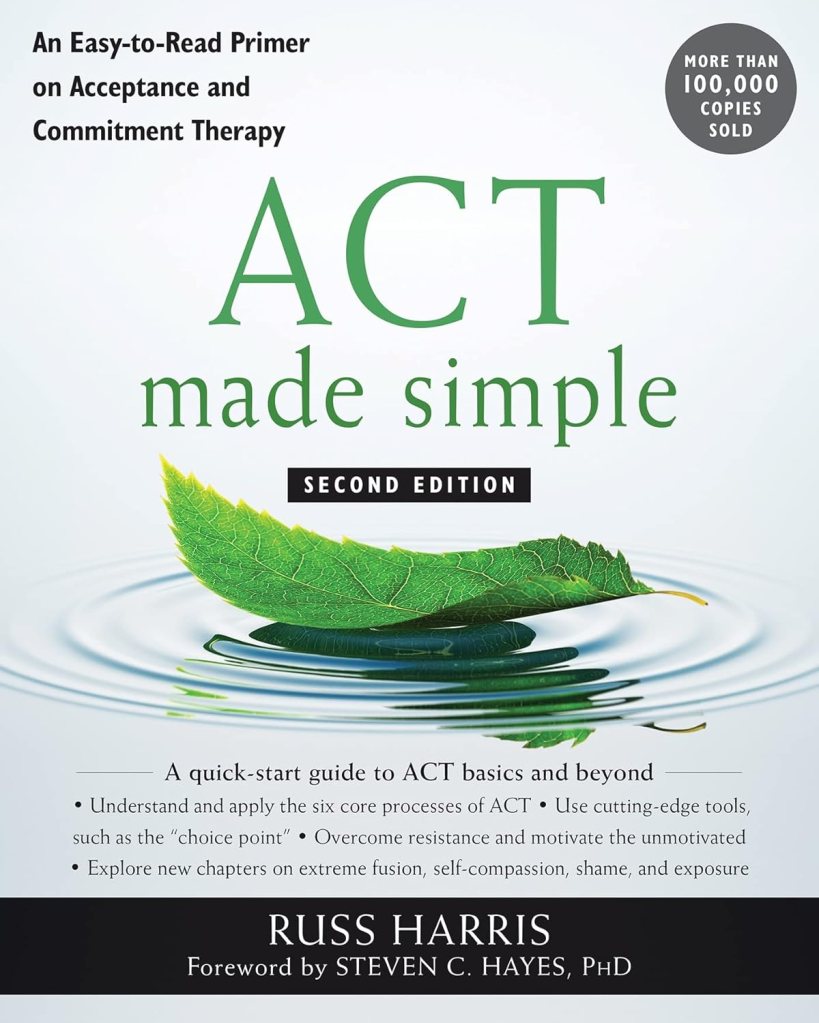
ACT Made Simple: An Easy-to-Read Primer on Acceptance and Commitment Therapy
by Russ Harris
Harris takes the complexity of ACT and makes it accessible without dumbing it down. This book excels at providing both theoretical understanding and practical application. As someone who is looking to specialize in this modality, I would recommend adding this to your shelf!
Practical Applications:
- Metaphors that help clients “get” mindfulness without meditation resistance
- Defusion techniques for anxious thoughts (goodbye thought spirals!)
- Values clarification exercises that don’t feel cheesy
- Present-moment activities for clients who hate sitting still
- Scripts for explaining acceptance without sounding like you’re giving up
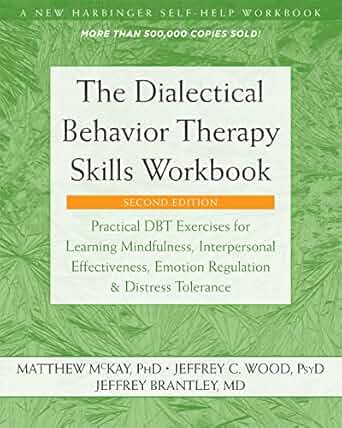
The Dialectical Behavior Therapy Skills Workbook
by Matthew McKay PhD
While designed as a client workbook, this resource is invaluable for therapists learning or teaching DBT skills. McKay’s clear explanations make complex concepts accessible.
Practical Applications:
- Crisis survival skills for those “I can’t take this anymore” moments
- TIPP technique for immediate emotional regulation
- Interpersonal effectiveness scripts (DEAR MAN, GIVE, FAST)
- Distress tolerance skills that work for self-harm urges
- Mindfulness exercises for clients who think meditation is weird
Accessible Treatment Approaches
Retrain Your Brain: Cognitive Behavioral Therapy in 7 Weeks
by Seth J. Gillihan PhD
This workbook bridges the gap between therapist knowledge and client understanding. Gillihan’s structured approach makes CBT concepts digestible and actionable.
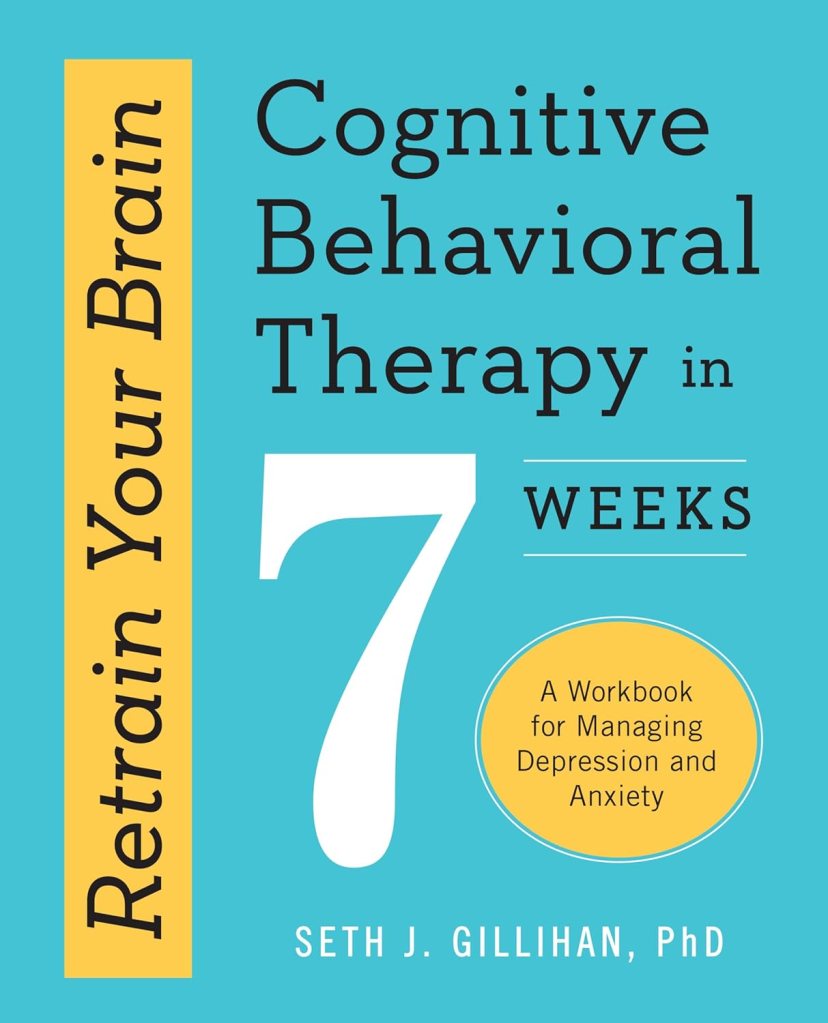
Practical Applications:
- 7-week treatment structure perfect for insurance requirements
- Thought records that clients will actually fill out
- Behavioral activation that doesn’t feel like a chore list
- Homework that takes 10 minutes or less (because who has time?)
- Ways to make CBT feel less like school and more like discovery
Mindfulness: An Eight-Week Plan for Finding Peace in a Frantic World
by Mark Williams
Co-developed with Jon Kabat-Zinn, this program makes mindfulness-based cognitive therapy accessible. The structured approach helps both therapists and clients develop consistent practice.

Practical Applications:
- 8-week curriculum you can use for groups or individual sessions
- Audio scripts for when you’re not comfortable leading meditation
- Solutions for “my mind is too busy” resistance
- 3-minute breathing space (perfect for session transitions)
- Ways to weave mindfulness into other modalities without being obvious
How to Use This Reading List
For New Therapists:
I organized this list in such a way where you should start from the top of the list. “The Gift of Therapy” provides a great foundation and validation
- Start with “The Gift of Therapy” for foundational wisdom
- Choose one evidence-based modality book based on your interests
- Add “The Body Keeps the Score” for essential trauma understanding
For Experienced Clinicians:
- Identify gaps in your current modality knowledge
- Use workbooks to refresh and systematize your approach
- Consider books outside your usual theoretical orientation
For Group Practice or Supervision:
- Create a book club focusing on one text quarterly
- Assign chapters for case consultation discussions
- Practice interventions from practical guides together
Making the Most of Your Reading
Active Reading Strategies:
- Keep a clinical journal for insights and intervention ideas
- Try one new technique per week from practical guides
- Discuss concepts with colleagues or in supervision
- Create reference sheets for quick clinical access
Integration Tips:
- Don’t try to implement everything at once
- Start with interventions that resonate with your style
- Adapt rather than adopt—make techniques your own
- Monitor outcomes to see what works for your population
Beyond the Books
While these texts provide excellent foundation, remember that reading is just the beginning. Consider:
- Attending trainings for modalities that interest you
- Seeking consultation when implementing new approaches
- Joining professional communities focused on specific modalities
- Maintaining curiosity about what serves each unique client
A Final Thought
Our field is constantly evolving, and these books represent current best practices and timeless wisdom. As you read, remember that the most powerful therapeutic tool remains the relationship between therapist and client. Let these resources enhance, not replace, your authentic therapeutic presence.
What books have transformed your practice? Share your recommendations in the comments below—our community thrives on shared learning and collective wisdom.
Want more curated resources for therapists? Subscribe to our newsletter for book recommendations, research summaries, and practical tools for your practice.
 PMT
PMT 
Leave a comment